


Product successfully added to your shopping cart
Quantity
Total
There are 0 items in your cart. There is 1 item in your cart.
Total products
Total shipping Gratis a partir 180€
Total


Denominación de Origen Lanzarote There are 28 products.
Vinos de Lanzarote
El Consejo Regulador de la Denominación de Origen LANZAROTE obtiene dicha denominación el 14 de Diciembre de 1.993 y el objetivo de la misma es certificar el origen y garantía de ...
Catalog

 27,90 €
 27,90 €
Bermejo Malvasía SemiDulce...
White Wine Semi-SweetBODEGAS LOS BERMEJOSLanzaroteWhite Wine Malvasía semi-sweet
 21,90 €
El Grifo Rosado de Lágrima...
Rose WineBODEGAS EL GRIFOLanzaroteVintage 2025 Rose Wine DO Lanzarote.
 19,50 €
El Grifo Malvasía Seco...
White WineBODEGAS EL GRIFOLanzaroteEl Grifo Malvasía Seco Colección, made with rigorously selected Malvasía Volcánica grapes from the El Grifo estate and from plots of our best vine growers. DO Lanzarote.
In stock 19,50 €
El Grifo Malvasía Semidulce...
White Wine Semi-sweetBODEGAS EL GRIFOLanzaroteWhite Wine Semi-sweet
In stock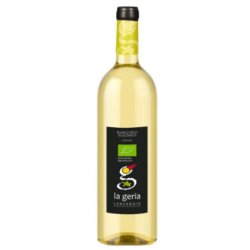 22,50 €
La Geria Blanco Seco Ecológico
White WineLA GERIALanzaroteVintage 2025 La Geria Blanco Seco Ecológico, a dry wine made from volcanic Malvasía grapes collected on the estate itself. The Malvasia grape, which is found on the slopes and valleys of volcanoes,...
 19,90 €
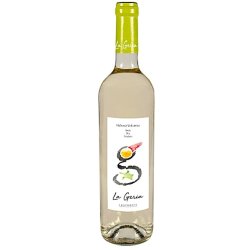
La Geria Malvasía Volcánica...
White WineLA GERIALanzaroteVintage 2025 The Malvasia grape, which is found on the slopes and valleys of volcanoes, is harvested manually once it reaches the desired maturity. A rigorous selection of quality grapes is carried...
 23,90 €
 37,90 €
El Grifo Vendimia de...
White Wine.BODEGAS EL GRIFOLanzaroteEl Grifo Vendimia de Invierno Malvasía Volcánica, made with rigorously selected Malvasía Volcánica grapes from the El Grifo estate and plots from its best winegrowers. DO Lanzarote. Winter harvest,...
In stock 28,90 €
 23,65 €
La Geria Moscatel dulce 50cl
Sweet WineLA GERIALanzaroteThe Muscat grape, found on the slopes and valleys of volcanoes, is harvested manually once it has the desired maturity; quite mature, almost passed. A rigorous selection of the quality grapes is...
 48,90 €
El Grifo Moscatel de Ana 50cl
White Sweet WineBODEGAS EL GRIFOLanzaroteOxidative Sweet Wine, by Criaderas and Solera system
 27,90 €
El Grifo Malvasía Brut...
White WineBODEGAS EL GRIFOLanzaroteThe sparkling wine from El Grifo, is a wine with bubbles made since 1989, by the traditional or Champenoise method, it is made with a single vintage and with the queen variety of the Island of...
 34,90 €
Bermejo Malvasía Brut...
Sparkling white wine.BODEGAS LOS BERMEJOSLanzaroteBlanco Espumoso Brut Nature, 12 meses de crianza sobre lías
 118,00 €
 19,90 €
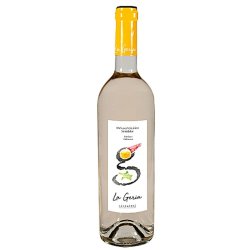
La Geria Malvasía Volcánica...
Semisweet White WineLA GERIALanzaroteVintage 2025 The Malvasia grape, which is found on the slopes and valleys of volcanoes, is harvested manually once it reaches the desired maturity. A rigorous selection of quality grapes is carried...
 23,00 €
 22,90 €
El Grifo Tinto Ariana 2024
Red WineBODEGAS EL GRIFOLanzaroteRed Wine, 4 months in french oak barrels
In stock 20,90 €
 18,90 €
 26,50 €
El Grifo Experiencia de...
Sparkling White WineBODEGAS EL GRIFOLanzaroteSparkling white wine made with Malvasía Volcánica by the Ancestral Method (Pet-Nat), in a single fermentation, not in two successive ones as in the Traditional or Champenois Method....
 19,50 €
Manto Tinto Selección 2022
Red WineLA GERIALanzaroteManto Tinto Selección, red wine made from the varieties Shyrah, Merlot, Tintilla and Listán Negro from own strains grown on the winery's estate, under sustainable viticulture. DO Lanzarote.
 21,90 €
Manto Malvasía Volcánica...
White WineLA GERIALanzaroteThe Malvasía grape, which is found on the slopes and valleys of volcanoes, is harvested manually once it is very ripe. A rigorous selection of quality grapes is carried out and, subsequently, a...
In stock 22,90 €
El Grifo Malvasía Lías 2023
White Wine.BODEGAS EL GRIFOLanzaroteEl Grifo Malvasía Lías, a white wine for long-term aging (minimum 5-6 years), for which Malvasía Volcánica is particularly suitable due to its high alcohol content and natural acidity. It is one of...
In stock 1 btl » 20,90 €
6 btl » 20,27 €Amalia Malvasía Blanco Seco...
Blanco jovenBODEGAS RUBICÓNLanzaroteWe discovered a white wine with an elegant and well structured cut, a true reflection of the wines of Rubicón, DO Lanzarote.
 21,90 €
La Geria Tinto Ecológico 2022
Red WineLA GERIALanzaroteLa Geria Tinto Ecológico, red wine made from 100% Syrah, under ecological and sustainable viticulture. DO Lanzarote.
In stock 16,90 €
 29,90 €
Showing 1 - 28 of 28 items

Vinos de Lanzarote
El Consejo Regulador de la Denominación de Origen LANZAROTE obtiene dicha denominación el 14 de Diciembre de 1.993 y el objetivo de la misma es certificar el origen y garantía de la calidad de los vinos que se producen en esta isla. Para ello, se realizaba un control exhaustivo desde la vendimia hasta su embotellado, pasando por rigurosos exámenes analíticos y organolépticos. Así una calificación favorable se certifica, a la vista del consumidor, con una contraetiqueta numerada y nuestro distintivo. Tras la aprobación de los nuevos estatutos, publicado en el B.O.C. número 33, de 14 de febrero de 2008, el Consejo Regulador de la Denominación de Origen Vinos de Lanzarote se convierte en una Corporación de Derecho Público, con personalidad jurídica propia y plena capacidad para el cumplimiento de sus fines públicos y privados que tiene por objeto la gestión de la mencionada denominación de origen, siendo sus fines la representación, defensa, garantía, investigación y desarrollo de mercados y promoción, tanto de los vinos amparados como del nivel de protección, así como la prestación de servicios relacionados con estas actividades. El control y seguridad alimentaria de los vinos de Canarias en general, y de Lanzarote en particular, es asumida por el Instituto Canario de Calidad Agroalimentario, organismo público adscrito a la Consejería de Agricultura, Ganadería y Pesca del gobierno de Canarias.

CUSTOMER SERVICE
(+34) 91 129 11 11
(+34) 638 458 218
(+34) 91 129 11 11
(+34) 638 458 218
clientes@mundovinum.com
NATIONAL WINES
WINES OF THE WORLD
CHAMPAGNE
DISTILLATES
- Brandy
- Cognac
- Gin Premium
- Ron
- Whisky
WINE TOURISM AND TASTING
- Denomination of Origin
- Winery
GIFTS IDEAS