


Product successfully added to your shopping cart
Quantity
Total
There are 0 items in your cart.
There is 1 item in your cart.
Total products
Total shipping
Gratis a partir 180€
Total


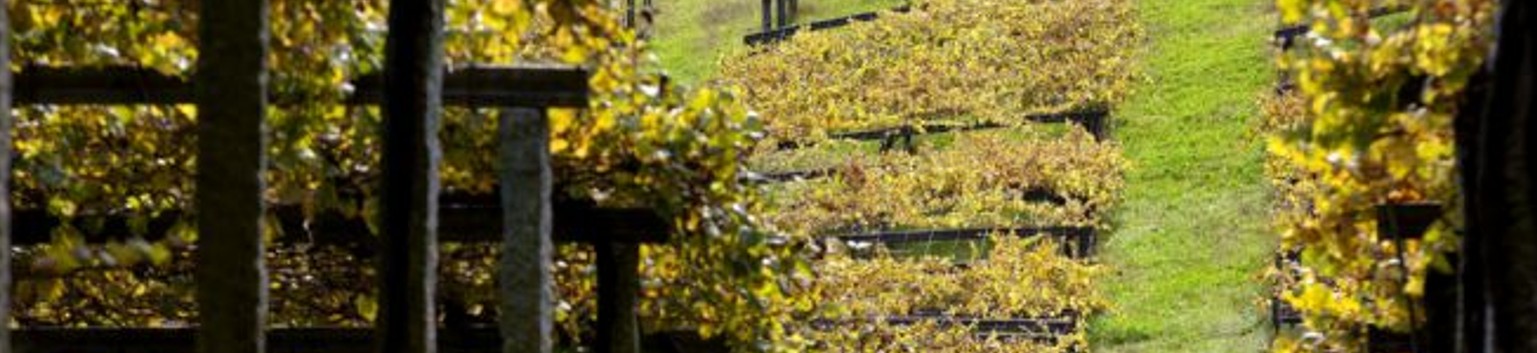
Galicia There are 227 products.
En el siglo XIV, Galicia exportaba esquejes a otros viñedos europeos. En el siglo XIX, toda la región sufrió una economía deprimida y muchos viñedos se abandonaron por la despoblación al emigrar los trabajadores. Los trabajadores de la vendimia gallega fu...
Catalog

-
 -3,43 €
41,50 €
-3,43 €
41,50 €
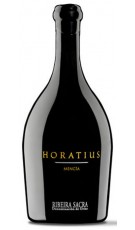
37,35 €HORATIUS
Red Wine.BODEGAS REGINA VIARUMRibeira SacraManual selection of the best clusters from their farms. Cold pre-fermentation maceration and fermentation in truncated conical French oak tanks. Subsequent aging for 10 months in 300-liter French...
Reduced price! -
 -1,15 €
13,90 €
-1,15 €
13,90 €
12,51 € -
 -1,73 €
20,90 €
-1,73 €
20,90 €
18,81 € -
 -1,20 €
14,50 €
-1,20 €
14,50 €
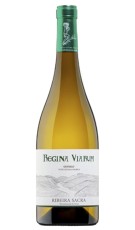
13,05 €Regina Viarum Godello 2024
White WineBODEGAS REGINA VIARUMRibeira SacraWhite Wine, 3 months in french oak barrels with its lees
Reduced price!In stock -
 -2,31 €
27,90 €
-2,31 €
27,90 €
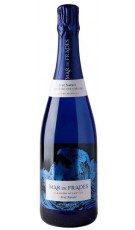
25,11 €Mar de Frades Brut Nature
Brut Nature.RAMÓN BILBAORías BaixasMar de Frades Brut Nature, the first sparkling Albariño made with 100% Albariño.
Reduced price!In stock -
 -1,81 €
21,90 €
-1,81 €
21,90 €
19,71 €Rafael Palacios Louro...
White Wine CrianzaBODEGAS RAFAEL PALACIOSValdeorrasWhite Wine
Reduced price!In stock -
 -2,88 €
34,90 €
-2,88 €
34,90 €
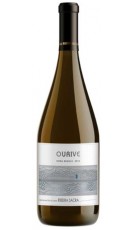
31,41 €Ourive Dona Branca 2023
White Wine CrianzaRONSEL DO SILRibeira SacraWhite Wine Crianza, 8 months in french oak barrels with its lees
Reduced price! -
 -1,12 €
13,50 €
-1,12 €
13,50 €
12,15 € -
 -2,50 €
30,20 €
-2,50 €
30,20 €
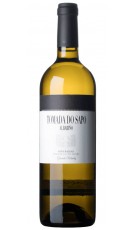
27,18 €Do Ferreiro Tomada do Sapo...
White Wine.GERARDO MÉNDEZRías BaixasIt is the wine that most defines their philosophy. It comes from lands of decomposed granite and poor in organic matter. Its name is a declaration of principles that metaphorically summarizes the...
Reduced price! -
 -2,22 €
26,90 €
-2,22 €
26,90 €
24,21 €Godeval Cepas Vellas 2024
White WineBODEGAS GODEVALValdeorrasWhite Wine, 5 months with its lees
Reduced price!In stock -
 -0,98 €
11,90 €
-0,98 €
11,90 €
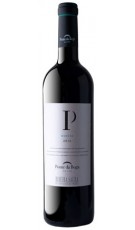
10,71 €Ponte da Boga Mencía 2023
Red WineADEGA PONTE DA BOGARibeira SacraRed Wine, 6 months in deposit of inox
Reduced price! -
 -3,18 €
38,50 €
-3,18 €
38,50 €
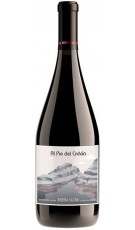
34,65 €Ronsel do Sil, Al Pie del...
Red Wine.RONSEL DO SILRibeira SacraAl Pie del Cañón is a wine made with red caíño from two small vineyards located in the Cañón del Sil, which gives its name to the label's brand. Marked...
Reduced price!Preguntar disponibilidad
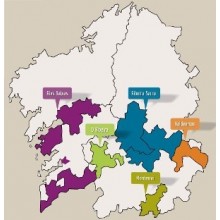
En el siglo XIV, Galicia exportaba esquejes a otros viñedos europeos. En el siglo XIX, toda la región sufrió una economía deprimida y muchos viñedos se abandonaron por la despoblación al emigrar los trabajadores. Los trabajadores de la vendimia gallega fueron en parte los que contribuyeron con su labor a desarrollar los viñedos en bancales de la región del vino de Oporto del Duero. Cuando España entró a formar parte de la Unión Europea en 1985, comenzaron a llegar fondos a Galicia que ayudaron al resurgimiento de la industria vitivinícola.

CUSTOMER SERVICE
(+34) 91 129 11 11
(+34) 638 458 218
(+34) 91 129 11 11
(+34) 638 458 218
clientes@mundovinum.com
NATIONAL WINES
WINES OF THE WORLD
CHAMPAGNE
DISTILLATES
- Brandy
- Cognac
- Gin Premium
- Ron
- Whisky
WINE TOURISM AND TASTING
- Denomination of Origin
- Winery
GIFTS IDEAS
GOURMET