


Product successfully added to your shopping cart
Quantity
Total
There are 0 items in your cart.
There is 1 item in your cart.
Total products
Total shipping
Gratis a partir 180€
Total


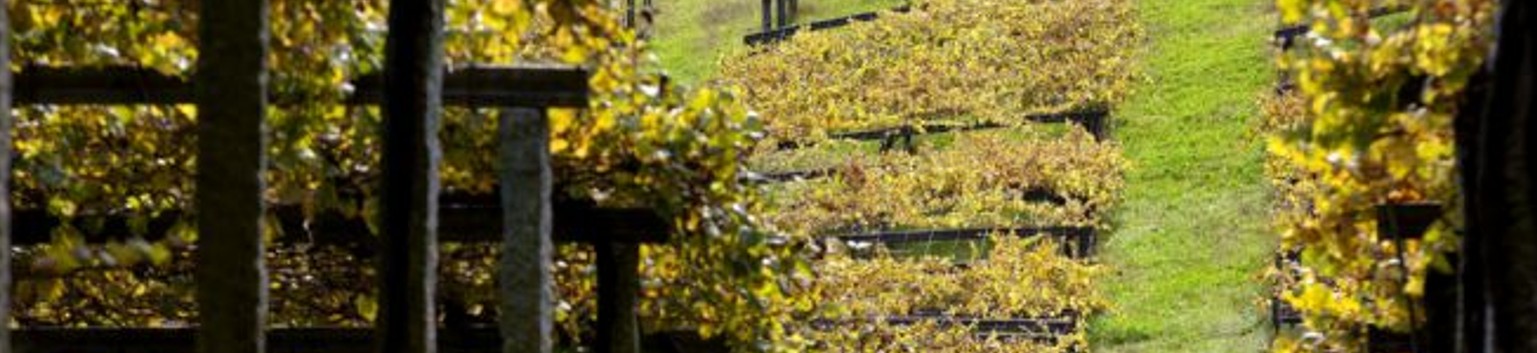
Galicia There are 227 products.
En el siglo XIV, Galicia exportaba esquejes a otros viñedos europeos. En el siglo XIX, toda la región sufrió una economía deprimida y muchos viñedos se abandonaron por la despoblación al emigrar los trabajadores. Los trabajadores de la vendimia gallega fu...
Catalog

-
 34,50 €
Goliardo A Telleira 2024
White Wine.Rías BaixasGoliardo A Telleira, White Wine, 100% Albarino, elaborated by Rodrigo Méndez, FORJAS DEL SALNÉS. Rías Baixas. Limited production.
In stock -
 16,50 €
Leirana 2025
White Wine.Rías BaixasWhite Wine Leirana, Rodrigo Méndez, FORJAS DEL SALNÉS. Rías Baixas.
In stock -
 17,90 €
Attis Albariño 2025
White WineATTIS BODEGA Y VIÑEDOSRías BaixasWhite wine with aging, 6 months on its lees in tank and oak cask.
In stock -
 41,90 €
Attis Embaixador 2023
White WineATTIS BODEGA Y VIÑEDOSRías BaixasWhite wine with aging, 2 years on its lees in tank and oak cask.
In stock -
 11,45 €
Pazo de Villarei 2025
White WineBODEGAS PAZO DE VILLAREIRías BaixasWhite Wine Rias Baixas.
In stock -
 14,50 €
Sal de Albariño 2025
White Wine.IRIA OTERORías BaixasIria Otero Sal Albariño, a wine with soul and without haste. Pure reflection of the environment and the history of the Ribeiro.
In stock -
 20,90 €
 -
 14,90 €
Martín Códax Albariño 2025
White WineMARTÍN CÓDAXRías BaixasWhite Wine. 100% Albariño, DO Rias Baixas, Martin Codax Wineries.
In stock -
 11,50 €
Marieta 2025
White WineMARTÍN CÓDAXRías BaixasWhite Wine. 100% Albariño, DO Rias Baixas, Martin Codax Wineries.
In stock -
 33,90 €
Zárate Castiñeiro Albariño...
White WineBODEGAS ZÁRATERías BaixasPago Castiñeiro is a south-facing plot with deep soil rich in organic matter. It is on a plot of high yields, a wine with a completely unique character is not produced. Very complex.
In stock -
 41,90 €
Zárate Tras da Viña Blanco...
White WineBODEGAS ZÁRATERías BaixasPago Tras da Viña is a south-facing plot with deep soil rich in organic matter. It is on a plot of high yields, a wine with a completely unique character is not produced. Very complex.
In stock -
 14,40 €
Rectoral do Umia 2025
White wine.BODEGAS GALLEGASRías BaixasWhite wine, 100% Albariño. DO Rías Biaxas. Centuries of wine tradition endure over time to give rise to wines such as Rectoral do Umia, made with the best selection of Albariño grapes and...
In stock
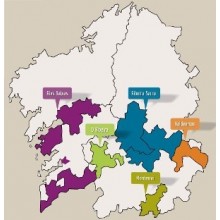
En el siglo XIV, Galicia exportaba esquejes a otros viñedos europeos. En el siglo XIX, toda la región sufrió una economía deprimida y muchos viñedos se abandonaron por la despoblación al emigrar los trabajadores. Los trabajadores de la vendimia gallega fueron en parte los que contribuyeron con su labor a desarrollar los viñedos en bancales de la región del vino de Oporto del Duero. Cuando España entró a formar parte de la Unión Europea en 1985, comenzaron a llegar fondos a Galicia que ayudaron al resurgimiento de la industria vitivinícola.

CUSTOMER SERVICE
(+34) 91 129 11 11
(+34) 638 458 218
(+34) 91 129 11 11
(+34) 638 458 218
clientes@mundovinum.com
NATIONAL WINES
WINES OF THE WORLD
CHAMPAGNE
DISTILLATES
- Brandy
- Cognac
- Gin Premium
- Ron
- Whisky
WINE TOURISM AND TASTING
- Denomination of Origin
- Winery
GIFTS IDEAS
GOURMET