


Product successfully added to your shopping cart
Quantity
Total
There are 0 items in your cart.
There is 1 item in your cart.
Total products
Total shipping
Gratis a partir 180€
Total


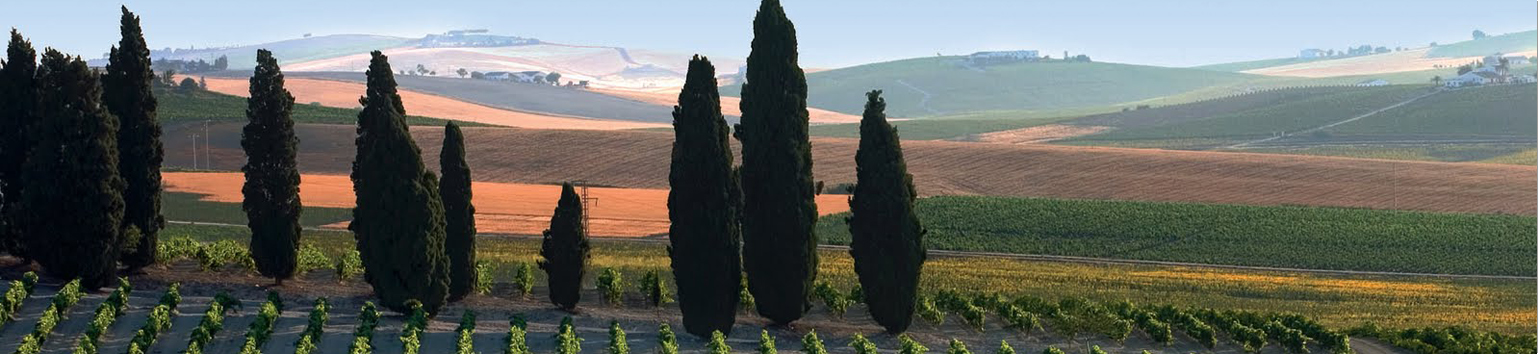
Andalucía There are 90 products.
Andalucía
Andalucía posee una tradición milenaria en el cultivo de la vid y en la elaboración de vinos de gran prestigio y fama en todo el mundo. Los siglos XVI y XVII, gracias al auge del comercio mar&iacut...
Catalog

-
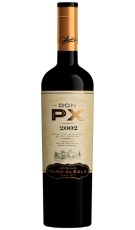 55,90 €
Don Px Cosecha 2002
Natural Sweet Wine.TORO ALBALÁMontilla MorilesDon Px Harvest 2002, almost three kilos of grapes are needed to obtain a liter of this wine. Once pressed, it is alcoholized up to 9% vol. and remains in a stainless steel tank for 12 months. After...
-
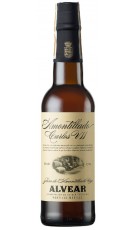 12,90 €
Amontillado Carlos VII
Amontillado wine.BODEGAS ALVEARMontilla MorilesVery old fine, aged by biological aging (under flor veil), continuing its production in oxidative aging (without flor veil), in American oak casks, through the traditional system of criaderas and...
-
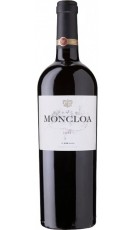 16,90 €
Finca Moncloa Clásico 2021
Red Wine CrianzaFINCA MONCLOAVino de la Tierra de CádizRed Wine Crianza, 12 months in french and american oak barrels
-
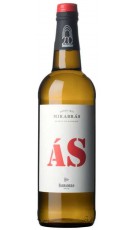 10,50 €
Barbadillo Ás de Mirabrás
White wine.BARBADILLOJerez-Xérès-Sherry y ManzanillaWhite wine made from Palomonio under fermentation in stainless steel tanks, with indigenous yeasts.
-
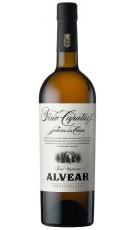 12,90 €
Alvear Fino Capataz Solera...
White wine.BODEGAS ALVEARMontilla MorilesMade from the Pedro Ximénez grape, this wine comes from the solera with the most aging of the "finos" of the Alvear family which, after undergoing biological aging for 12 years, still keeps...
-
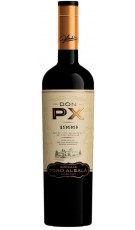 56,90 €
Don Px Cosecha 1999
Natural Sweet Wine.TORO ALBALÁMontilla MorilesThis 1999 Gran Reserva is an elegant wine, made with Pedro Ximénez grapes picked in mid-August and laid out in the sun for between 7 and 9 days to concentrate all their sugars. After...
In stock -
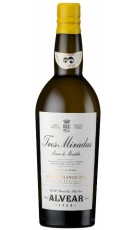 26,90 €
3 Miradas Clásico Cerro...
Generoso wine.BODEGAS ALVEARMontilla MorilesWine made with the Pedro Ximénez grape, from the highest plot of the Sierra de Montilla, at the end of the Riofrío Alto area, facing southeast and at an altitude of more than 600m....
-
 21,90 €
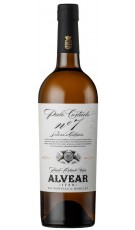
Alvear Palo Cortado Nº7
Palo cortado wine.BODEGAS ALVEARMontilla MorilesThe palos cortados are oenological rarities that can only be found among the oldest criaderas of generous wines. It honors the initial soleo of the winery, where formerly the "finos" promoted...
-
 24,90 €
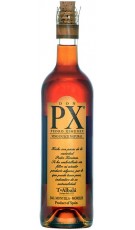
Don Px 2020
Natural Sweet WineTORO ALBALÁMontilla MorilesSweet and velvety wine, made with Pedro Ximénez grapes. After pressing, a sweet must was obtained and it was left to rest for more than a year, in stainless steel tanks. A natural jewel full...
In stock -
 57,90 €
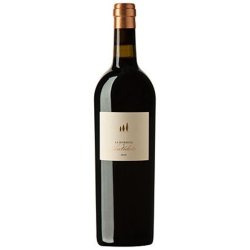
Rolland Galarreta Soleras...
Amontillado.R&G ROLLAND GALARRETAJerez-Xérès-Sherry y ManzanillaAmontillado is a highly distinctive wine because its ageing process combines the veil of flor process which is characteristic of Fino and Manzanilla, with a later stage in which the veil of flor...
In stock -
 34,90 €
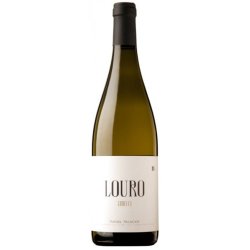
Rolland Galarreta Soleras...
Fino.R&G ROLLAND GALARRETAJerez-Xérès-Sherry y ManzanillaFino is a dry white wine made from Listán Blanco grapes which, as is the case with Manzanilla, is aged under a layer of yeasts which make up the veil of flor. It is stored and aged in American oak...
In stock -
 32,90 €
Rolland Galarreta Soleras...
Manzanilla.R&G ROLLAND GALARRETAJerez-Xérès-Sherry y ManzanillaManzanilla is a dry white wine made from Listán Blanco grapes and aged under a layer of yeasts known as veil of flor. It is produced exclusively in the bodegas of Sanlúcar de Barrameda. The special...
In stock
Andalucía
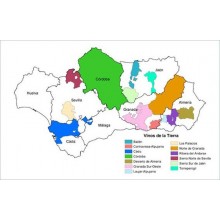
Andalucía posee una tradición milenaria en el cultivo de la vid y en la elaboración de vinos de gran prestigio y fama en todo el mundo. Los siglos XVI y XVII, gracias al auge del comercio marítimo, fueron una época de especial florecimiento. La topografía, geología y clima de los suelos andaluces resultan excelentes para el cultivo de la vid. El clima Mediterráneo y los diferentes microclimas, las suaves temperaturas medias (16ºC), la escasez de heladas y granizos, las numerosas horas de sol al año, un fuerte contraste altitudinal y el sistema de crianza, crean caldos de gran calidad, a la par que muy variados y característicos. Esta tendencia a una producción de prestigio se ha perpetuado hasta la actualidad. Más del 70% de los viñedos andaluces están amparados por alguna de las seis Denominaciones de Origen establecidas y auspiciadas por sus respectivos Consejos Reguladores: Condado de Huelva (1933), Jerez-Xérès-Sherry (1933), Manzanilla de Sanlúcar (1964), Málaga (1933), Sierras de Málaga (2001) y Montilla-Moriles (1985). A estas denominaciones se suman 13 indicaciones geográficas protegidas (Vinos de la Tierra) y otros vinos históricos no amparados pero que gozan de gran popularidad, tales como la Tintilla de Rota, el Pajarete y el Moscatel de Chipiona, Mosto del Aljarafe...En torno a todos estos caldos se ha configurado toda una Cultura del Vino en la que se engloban bodegas, museos especializados, fiestas tradicionales...
Localización
Más del 70% de los viñedos andaluces están amparados por alguna de las seis Denominaciones de Origen establecidas y auspiciadas por sus respectivos Consejos Reguladores: Condado de Huelva (1933), Jerez-Xérès-Sherry (1933), Manzanilla de Sanlúcar (1964), Málaga (1933), Sierras de Málaga (2001) y Montilla-Moriles (1985).

CUSTOMER SERVICE
(+34) 91 129 11 11
(+34) 638 458 218
(+34) 91 129 11 11
(+34) 638 458 218
clientes@mundovinum.com
NATIONAL WINES
WINES OF THE WORLD
CHAMPAGNE
DISTILLATES
- Brandy
- Cognac
- Gin Premium
- Ron
- Whisky
WINE TOURISM AND TASTING
- Denomination of Origin
- Winery
GIFTS IDEAS
GOURMET