


Product successfully added to your shopping cart
Quantity
Total
There are 0 items in your cart.
There is 1 item in your cart.
Total products
Total shipping
Gratis a partir 180€
Total


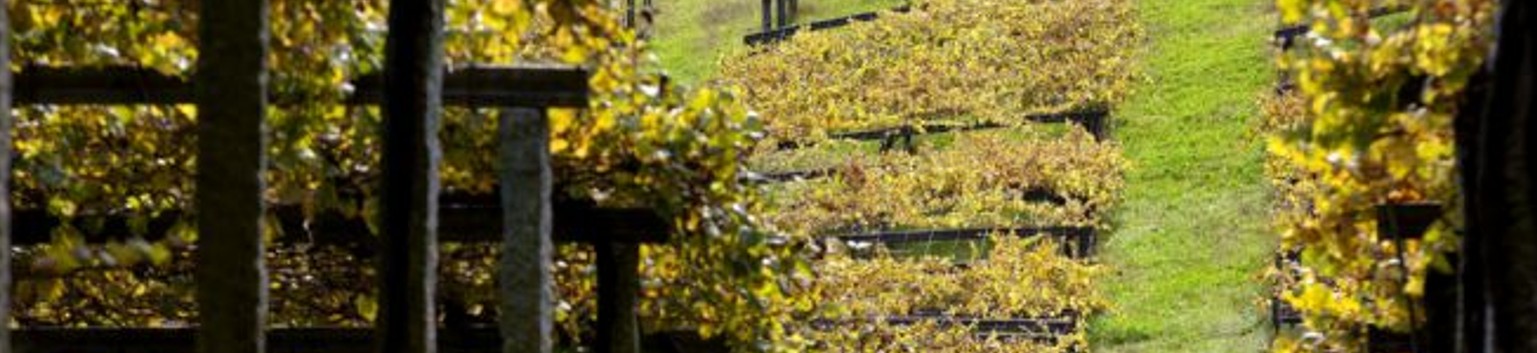
Galicia There are 227 products.
En el siglo XIV, Galicia exportaba esquejes a otros viñedos europeos. En el siglo XIX, toda la región sufrió una economía deprimida y muchos viñedos se abandonaron por la despoblación al emigrar los trabajadores. Los trabajadores de la vendimia gallega fu...
Catalog

-
 -1,10 €
13,25 €
-1,10 €
13,25 €
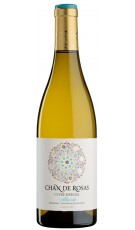
11,92 €Chan de Rosas Cuvée...
White Wine CrianzaBODEGA DÍAZ BAYORías BaixasWhite wine DO Rías Baixas.
Reduced price!In stock -
 -2,11 €
25,50 €
-2,11 €
25,50 €
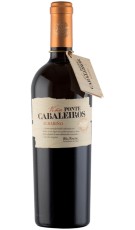
22,95 €Viña Ponte Cabaleiros 2021
White Wine.BODEGAS AS LAXASRías BaixasPonte Cabaleiros is a farm located on the banks of the Cea River. Planted in the late 1990s at a height of 80m above sea level, it is arranged in south-west facing terraces. The proximity to the...
Reduced price! -
 -3,46 €
41,90 €
-3,46 €
41,90 €
37,71 €Viña Somoza Alma do Vello...
Red Wine.VIÑA SOMOZA, BODEGAS Y VIÑEDOSValdeorrasRed wine made from 100% Albarello (Brancellao), alluvial soil, with good drainage, at 550 m altitude, east-southeast exposure. 12 months in 400 and 500 l barrels without batonnage.
Reduced price! -
 -1,26 €
15,25 €
-1,26 €
15,25 €
13,73 €O Morto Tiro al Blanco Godello
White Wine.O MORTO WINESRibeiroVintage 2024 O Morto Tiro al Blanco Godello - Natural wite wine. DO Ribeiro, 9 monts wit its lees. 100% Godello, O Morto Wines.
Reduced price!In stock -
 -2,88 €
34,90 €
-2,88 €
34,90 €
31,41 €Neno de Viña Somoza Magnum...
White Wine.VIÑA SOMOZA, BODEGAS Y VIÑEDOSValdeorras100% Godello white wine. Vineyards planted on slate, granitic and sandy, alluvial soil. Pressing, 12 to 48 hours of film maceration, alcoholic fermentation with selected yeasts, at controlled...
Reduced price! -
 -1,86 €
22,50 €
-1,86 €
22,50 €
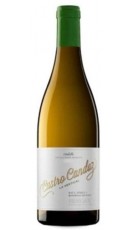
20,25 €Castro Candaz La Vertical 2021
White WineRAÚL PÉREZ VITICULTORRibeira SacraThis wine was born from the joint project between Raúl Pérez and the winemaker Rodrigo Méndez in the Ribeira Sacra sub-area of Lugo, using native grapes, resulting in wines...
Reduced price! -
 -3,05 €
36,90 €
-3,05 €
36,90 €
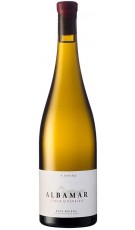
33,21 €Albamar Finca o Pereiro 2021
White WineBODEGAS ALBAMARRías BaixasFinca O Pereiro is a special place reclaimed from the sea next to the Castrelo football field, where Xurxo Alba spent many afternoons of his childhood, and the origin of this plot of...
Reduced price! -
 -1,16 €
14,00 €
-1,16 €
14,00 €
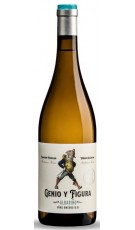
12,60 €Genio y Figura 2022
White WineATTIS BODEGA Y VIÑEDOSRías BaixasThis casual Albariño with a modern spirit brings us closer to the younger public, being faithful to our roots since youth is not an obstacle to quality. Like the saying that gives it its name,...
Reduced price! -
 -1,98 €
23,90 €
-1,98 €
23,90 €
21,51 €Augalevada Ollos de Maia
Red Wine.O MORTO WINESRibeiroVintage 2023 Augalevada Ollos de Maia. Red wine, DO Ribeiro, FAZENDA AGRICOLA AUGALEVADA. Caiño tinto, Brancellao and Caiño da terra.
Reduced price!In stock -
 -0,95 €
11,50 €
-0,95 €
11,50 €
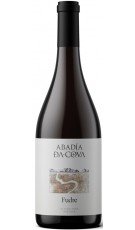
10,35 € -
 -3,55 €
42,90 €
-3,55 €
42,90 €
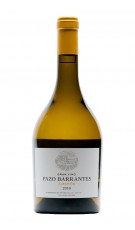
38,61 €Gran Vino Pazo Barrantes 2021
White WineMarqués de MurrietaRías BaixasWhite Wine, 2 months with its lees
Reduced price!In stock -
 -1,23 €
14,90 €
-1,23 €
14,90 €
13,41 €
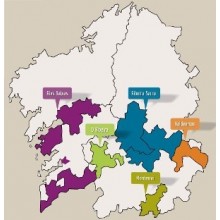
En el siglo XIV, Galicia exportaba esquejes a otros viñedos europeos. En el siglo XIX, toda la región sufrió una economía deprimida y muchos viñedos se abandonaron por la despoblación al emigrar los trabajadores. Los trabajadores de la vendimia gallega fueron en parte los que contribuyeron con su labor a desarrollar los viñedos en bancales de la región del vino de Oporto del Duero. Cuando España entró a formar parte de la Unión Europea en 1985, comenzaron a llegar fondos a Galicia que ayudaron al resurgimiento de la industria vitivinícola.

CUSTOMER SERVICE
(+34) 91 129 11 11
(+34) 638 458 218
(+34) 91 129 11 11
(+34) 638 458 218
clientes@mundovinum.com
NATIONAL WINES
WINES OF THE WORLD
CHAMPAGNE
DISTILLATES
- Brandy
- Cognac
- Gin Premium
- Ron
- Whisky
WINE TOURISM AND TASTING
- Denomination of Origin
- Winery
GIFTS IDEAS
GOURMET