


Product successfully added to your shopping cart
Quantity
Total
There are 0 items in your cart.
There is 1 item in your cart.
Total products
Total shipping
Gratis a partir 180€
Total


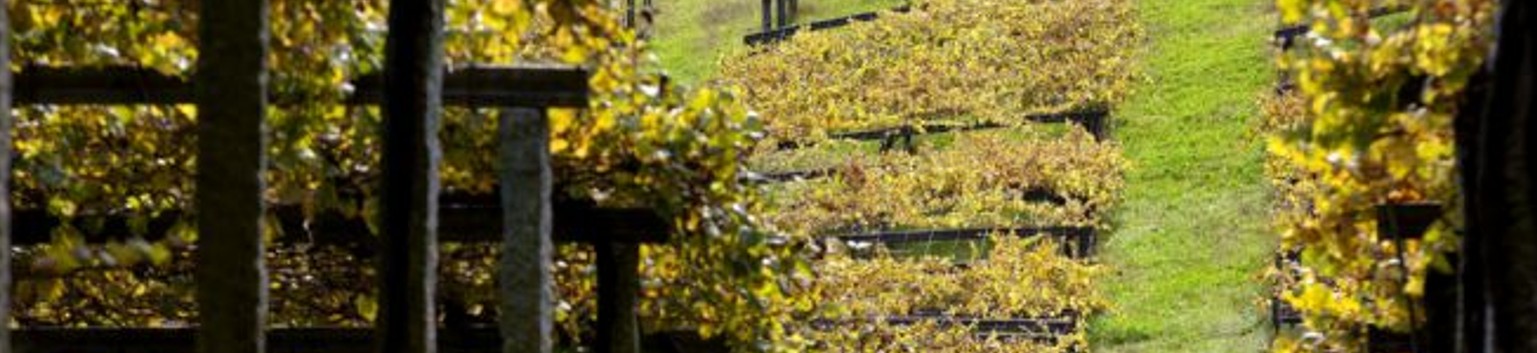
Galicia There are 227 products.
En el siglo XIV, Galicia exportaba esquejes a otros viñedos europeos. En el siglo XIX, toda la región sufrió una economía deprimida y muchos viñedos se abandonaron por la despoblación al emigrar los trabajadores. Los trabajadores de la vendimia gallega fu...
Catalog

-
 -3,13 €
37,90 €
-3,13 €
37,90 €
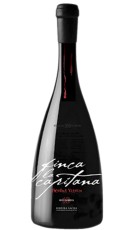
34,11 €Finca la Capitana
Red Wine.BODEGAS REGINA VIARUMRibeira SacraRed Wine Crianza, 18 months in french oak barrels.
Reduced price! -
 -7,26 €
87,90 €
-7,26 €
87,90 €
79,11 €Attis Mar 2023
White WineATTIS BODEGA Y VIÑEDOSRías BaixasAuthentic, handmade, Atlantic, native… ATTIS Mar immerses our Albariño ATTIS in the depths of the Rías Baixas to maximize its expressiveness and Atlantic nuances. The cold waters of this sea rock...
Reduced price! -
 -1,03 €
12,50 €
-1,03 €
12,50 €
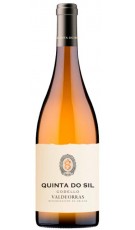
11,25 €Quinta do Sil Godello 2023
White Wine.GRANBAZANValdeorrasGodello from old vines next to the Sil River that surround the parish of Seadur (Ourense), grown on slate and granite soils. Quinta do Sil is the result of a dream, to be able to produce great,...
Reduced price! -
 -2,14 €
25,90 €
-2,14 €
25,90 €
23,31 €El Paraguas Atlántico 2025
White WineBODEGAS EL PARAGUASRibeiroWhite Wine, 3 months in french oak barrels
Reduced price! -
 -3,46 €
41,90 €
-3,46 €
41,90 €
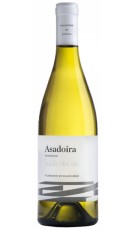
37,71 €Asadoira Godello Sobre Lías...
White WineVALDESILValdeorrasWhite Wine, 24 months with it lees
Reduced price! -
 -0,82 €
9,90 €
-0,82 €
9,90 €
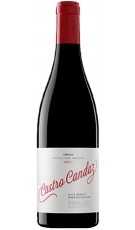
8,91 €Castro Candaz Mencía 2022
Red Wine CrianzaRAÚL PÉREZ VITICULTORRibeira SacraThis wine was born from the joint project between Raúl Pérez and the winemaker Rodrigo Méndez in the Ribeira Sacra sub-area of Lugo, using native grapes, resulting in wines with a marked...
Reduced price! -
 -2,50 €
30,20 €
-2,50 €
30,20 €
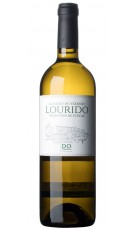
27,18 €Do Ferreiro Lourido 2022
White Wine.GERARDO MÉNDEZRías BaixasIt is the wine that most defines their philosophy. It comes from lands of decomposed granite and poor in organic matter. Its name is a declaration of principles that metaphorically summarizes the...
Reduced price! -
 -2,72 €
32,90 €
-2,72 €
32,90 €
29,61 €O Gran Meín Castes Brancas...
White Wine.VIÑA MEINRibeiroO Gran Meín Castes Brancas 2021 is the demonstration of the plurivarietal landscape and historical knowledge based on Ribeiro smallholder farming. The division of the land into small-area vineyards...
Reduced price!In stock -
 -0,95 €
11,50 €
-0,95 €
11,50 €
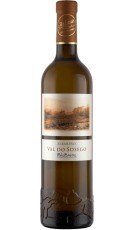
10,35 €Val do Sosego Albariño 2024
White Wine.BODEGAS AS LAXASRías BaixasWhite wine from a selection of grapes of the Albariño variety in perfect and excellent state of maturation. A careful pressing results in a must of excellent quality, full-bodied and stable.
Reduced price!In stock -
 -1,12 €
13,50 €
-1,12 €
13,50 €
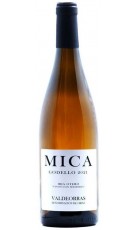
12,15 €Mica de Valdeorras 2022
White Wine.IRIA OTEROValdeorrasIria Otero Sal Albariño, a wine with soul and without haste. Pure reflection of the environment and the history of the Ribeiro.
Reduced price! -
 -1,73 €
20,90 €
-1,73 €
20,90 €
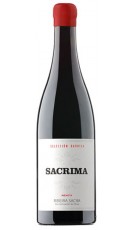
18,81 €Sácrima barrica 2022
Red Wine CrianzaBODEGAS REGINA VIARUMRibeira SacraRed Wine Crianza, 12 months in french oak barrels
Reduced price! -
 -1,43 €
17,25 €
-1,43 €
17,25 €
15,52 €Viña Somoza VIA XVIII 2022
Red Wine.VIÑA SOMOZA, BODEGAS Y VIÑEDOSValdeorrasRed wine made from Mencía (60%), Garnacha tintorera (25%), Mouratón (7%), Albarello (3%), clay soil with black and red slate, sand and gneiss, and alluvial soil. 12 months in 400 and...
Reduced price!
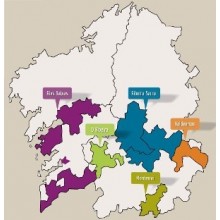
En el siglo XIV, Galicia exportaba esquejes a otros viñedos europeos. En el siglo XIX, toda la región sufrió una economía deprimida y muchos viñedos se abandonaron por la despoblación al emigrar los trabajadores. Los trabajadores de la vendimia gallega fueron en parte los que contribuyeron con su labor a desarrollar los viñedos en bancales de la región del vino de Oporto del Duero. Cuando España entró a formar parte de la Unión Europea en 1985, comenzaron a llegar fondos a Galicia que ayudaron al resurgimiento de la industria vitivinícola.

CUSTOMER SERVICE
(+34) 91 129 11 11
(+34) 638 458 218
(+34) 91 129 11 11
(+34) 638 458 218
clientes@mundovinum.com
NATIONAL WINES
WINES OF THE WORLD
CHAMPAGNE
DISTILLATES
- Brandy
- Cognac
- Gin Premium
- Ron
- Whisky
WINE TOURISM AND TASTING
- Denomination of Origin
- Winery
GIFTS IDEAS
GOURMET