


Product successfully added to your shopping cart
Quantity
Total
There are 0 items in your cart.
There is 1 item in your cart.
Total products
Total shipping
Gratis a partir 180€
Total


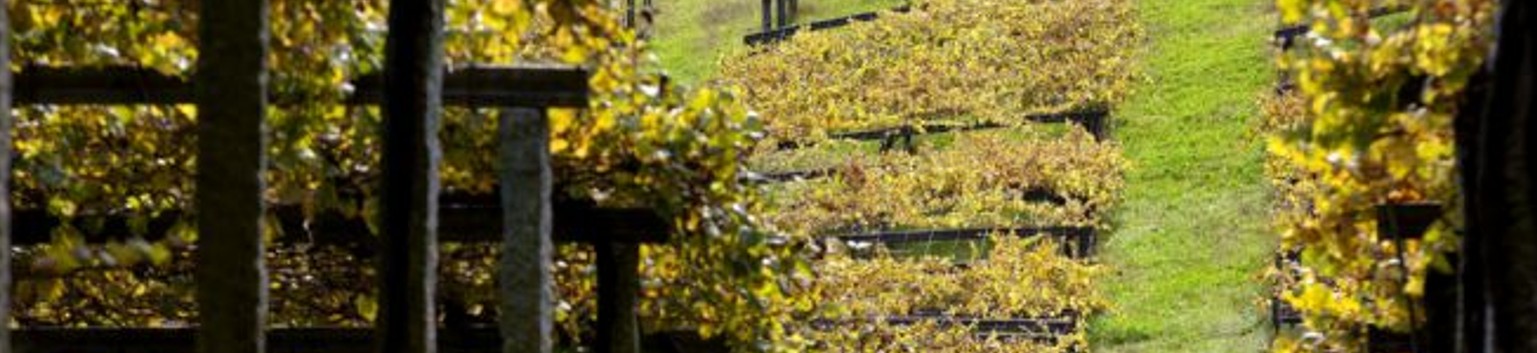
Galicia There are 227 products.
En el siglo XIV, Galicia exportaba esquejes a otros viñedos europeos. En el siglo XIX, toda la región sufrió una economía deprimida y muchos viñedos se abandonaron por la despoblación al emigrar los trabajadores. Los trabajadores de la vendimia gallega fu...
Catalog

-
 -3,96 €
47,90 €
-3,96 €
47,90 €
43,11 €Lacima
Red Wine CrianzaDOMINIO DO BIBEIRibeira SacraVintage 2020 Red Wine Crianza, 19 months in french oak barrels. Dominio do Bibei, D.O. Ribeira Sacra. 100% Mencía.
Reduced price!In stock -
 -2,31 €
27,90 €
-2,31 €
27,90 €
25,11 €Lapola
White wine.DOMINIO DO BIBEIRibeira SacraVintage 2023 White Wine Crianza, 9 months with its lees. Dominio do Bibei en D.O. Ribeira Sacra. Albariño, Godello and Doña Blanca.
Online only Reduced price!In stock -
 -3,76 €
45,50 €
-3,76 €
45,50 €
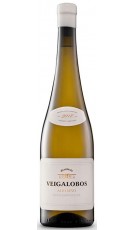
40,95 €Granbazán Veigalobos 2021...
White Wine.GRANBAZANRías BaixasVeigalobos is a project that was born in the 2018 vintage in order to explore the potential of the Albariño grape to produce exceptional wines, escaping from the classic and purist in the...
Reduced price! -
 -1,73 €
20,90 €
-1,73 €
20,90 €
18,81 €Lalume
White Wine CrianzaDOMINIO DO BIBEIRibeira SacraVintage 2024 White Wine Crianza. Dominio do Bibei, D.O. Ribeira Sacra.
Reduced price!In stock -
 -1,45 €
17,50 €
-1,45 €
17,50 €
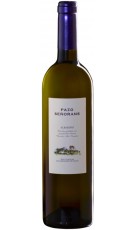
15,75 €Pazo Señorans 2023
White Wine CrianzaPAZO SEÑORANSRías BaixasWhite Wine Crianza, 5 months with its lees
Reduced price!In stock -
 -1,36 €
16,50 €
-1,36 €
16,50 €
14,85 € -
 -4,37 €
52,90 €
-4,37 €
52,90 €
47,61 €Algueira Escalada Godello 2024
White WineADEGA ALGUEIRARibeira SacraWhite Wine
Reduced price!In stock -
 -2,87 €
34,70 €
-2,87 €
34,70 €
31,23 €La Fillaboa 1898 2010
White Wine CrianzaFILLABOARías BaixasWhite Wine Crianza, 6 years of aging in stainless steel tanks on fine lees
Reduced price! -
 -1,07 €
12,90 €
-1,07 €
12,90 €
11,61 €Pasal de Esile 2025
White wine.BODEGAS GALLEGASRibeira SacraWhite wine, 100% Godello, DO Ribeira Sacra. One by one, its grapes are handpicked on the slopes of the Sil River, in the Quiroga subzone, achieving all the peculiarities of red clay soils to later...
Reduced price!In stock -
 -1,64 €
19,90 €
-1,64 €
19,90 €
17,91 €Rectoral de Amandi Edición...
Red wine.BODEGAS GALLEGASRibeira SacraRed Wine 100% Mencía, DO Ribeira Sacra. Vineyards on the slopes of the Ribeira Sacra, it has remained in French, American and Caucasian oak barrels for six months. This bottle belongs to a limited...
Reduced price!In stock -
 -0,98 €
11,90 €
-0,98 €
11,90 €
10,71 €Matilda Nieves 2025
Red wine.BODEGAS GALLEGASRibeira SacraRed wine, Mencía, Sousón y Caíño. DO Ribeira Sacra. A forest fairy, a young woman on her seesaw, surrounded by the idyllic landscapes of the ribeira sacra, leaves behind a trail of flavors evoking...
Reduced price!In stock -
 -1,81 €
21,90 €
-1,81 €
21,90 €
19,71 €Lalama 2022
Red Wine CrianzaDOMINIO DO BIBEIRibeira SacraRed Wine Crianza, 13 months in french oak barrels.
Reduced price!In stock
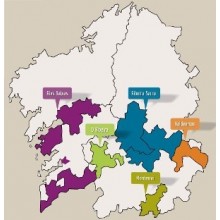
En el siglo XIV, Galicia exportaba esquejes a otros viñedos europeos. En el siglo XIX, toda la región sufrió una economía deprimida y muchos viñedos se abandonaron por la despoblación al emigrar los trabajadores. Los trabajadores de la vendimia gallega fueron en parte los que contribuyeron con su labor a desarrollar los viñedos en bancales de la región del vino de Oporto del Duero. Cuando España entró a formar parte de la Unión Europea en 1985, comenzaron a llegar fondos a Galicia que ayudaron al resurgimiento de la industria vitivinícola.

CUSTOMER SERVICE
(+34) 91 129 11 11
(+34) 638 458 218
(+34) 91 129 11 11
(+34) 638 458 218
clientes@mundovinum.com
NATIONAL WINES
WINES OF THE WORLD
CHAMPAGNE
DISTILLATES
- Brandy
- Cognac
- Gin Premium
- Ron
- Whisky
WINE TOURISM AND TASTING
- Denomination of Origin
- Winery
GIFTS IDEAS
GOURMET